
Nueromuscular Medicine
Hands-on treatment designed to restore balance, reduce pain, and support the body’s natural ability to heal.
Osteopathic Healing
Osteopathic medicine is a hands-on approach to healing that focuses on restoring balance, relieving pain, and improving how the body functions as a whole.
Grounded in a deep understanding of anatomy and biomechanics, osteopathic physicians use precise physical manipulation to diagnose dysfunction and support natural healing.
Through rigorous training, osteopathic physicians learn a wide range of techniques designed to improve range of motion, reduce tension, and address the structural causes of pain.
By restoring proper alignment and movement, these techniques help improve circulation, nerve function, and the body’s internal healing processes.
At Osteopathic Health of Baldwin Park, we often enhance osteopathic treatment with supportive therapies such as guided stretching, targeted exercises, and nutritional optimization.
When appropriate, we may also incorporate advanced regenerative options including biologic peptides and platelet rich plasma injections to support tissue repair and recovery.
Osteopathic physicians are uniquely trained to bridge multiple disciplines.
With expertise that overlaps general medicine, manual therapy, chiropractic principles, massage, energy-based techniques, and non-surgical orthopedics, this approach allows for comprehensive care that treats both symptoms and their underlying causes.
Schedule Your Personalized Consultation
New patients welcome • Most visits by appointment
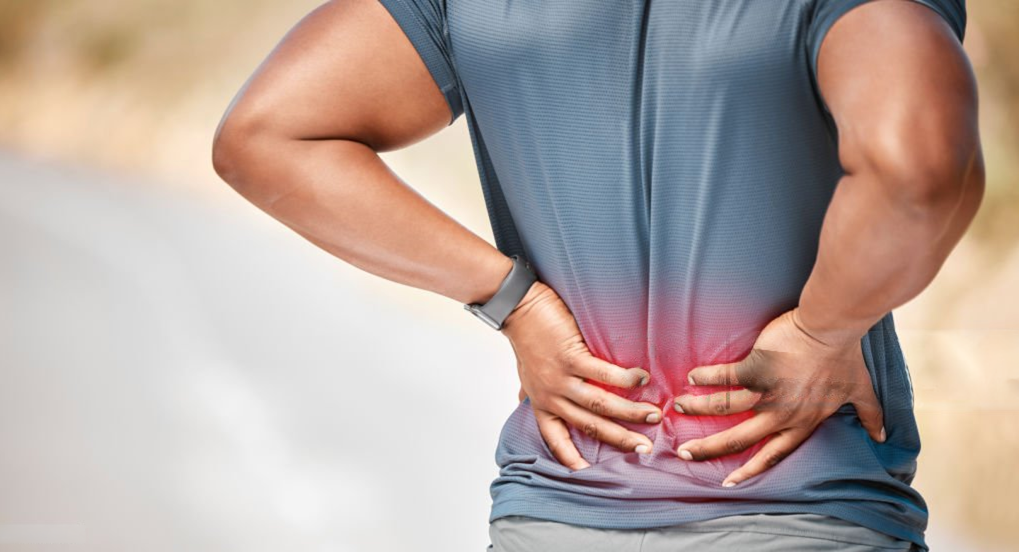
Neck & Back Pain
Osteopathic evaluation offers one of the most comprehensive approaches to understanding neck and back pain.
Rather than focusing only on symptoms, we assess how muscles, joints, nerves, and connective tissues are working together to identify the true source of discomfort.
This approach helps guide appropriate care, whether that involves osteopathic manipulation, regenerative therapies, or referral for advanced imaging or surgical consultation when truly necessary.
Read More
The most common causes of neck and back pain include muscle strain, ligament injury, joint restriction, and misalignment of the spine or pelvis.
These issues can be made worse by poor posture, repetitive movements, prior injuries, or structural imbalance.
Many patients never receive a complete musculoskeletal or neurologic evaluation, and imaging alone often fails to explain why pain persists or where it originates.
Osteopathic physicians are trained to perform detailed hands-on examinations that assess movement, alignment, tissue quality, and nerve function.
In many cases, pain can be significantly reduced or resolved through precise osteopathic manipulation and targeted treatment techniques.
These findings can also help determine whether more invasive interventions are necessary or if conservative care is the better option.
In certain situations, such as severe trauma, fractures, disc herniation with neurologic compromise, or spinal cord involvement, surgical intervention may be required.
Symptoms such as progressive weakness, loss of sensation, or bowel or bladder dysfunction require immediate medical evaluation.
When surgery is appropriate, we work collaboratively with specialists to ensure coordinated care.
For patients who have undergone prior spine surgery, ongoing pain may still occur due to muscle spasm, scar tissue, ligament strain, or instability above or below a fusion.
Osteopathic care can be an effective complement in these cases by addressing residual musculoskeletal dysfunction, improving mobility, and reducing compensatory strain on surrounding structures.
Osteopathic manipulation offers a valuable option for patients seeking relief from chronic or recurring neck and back pain.
By restoring balance, improving movement, and supporting the body’s natural healing mechanisms, this approach helps many patients return to daily activities with less pain and improved function.
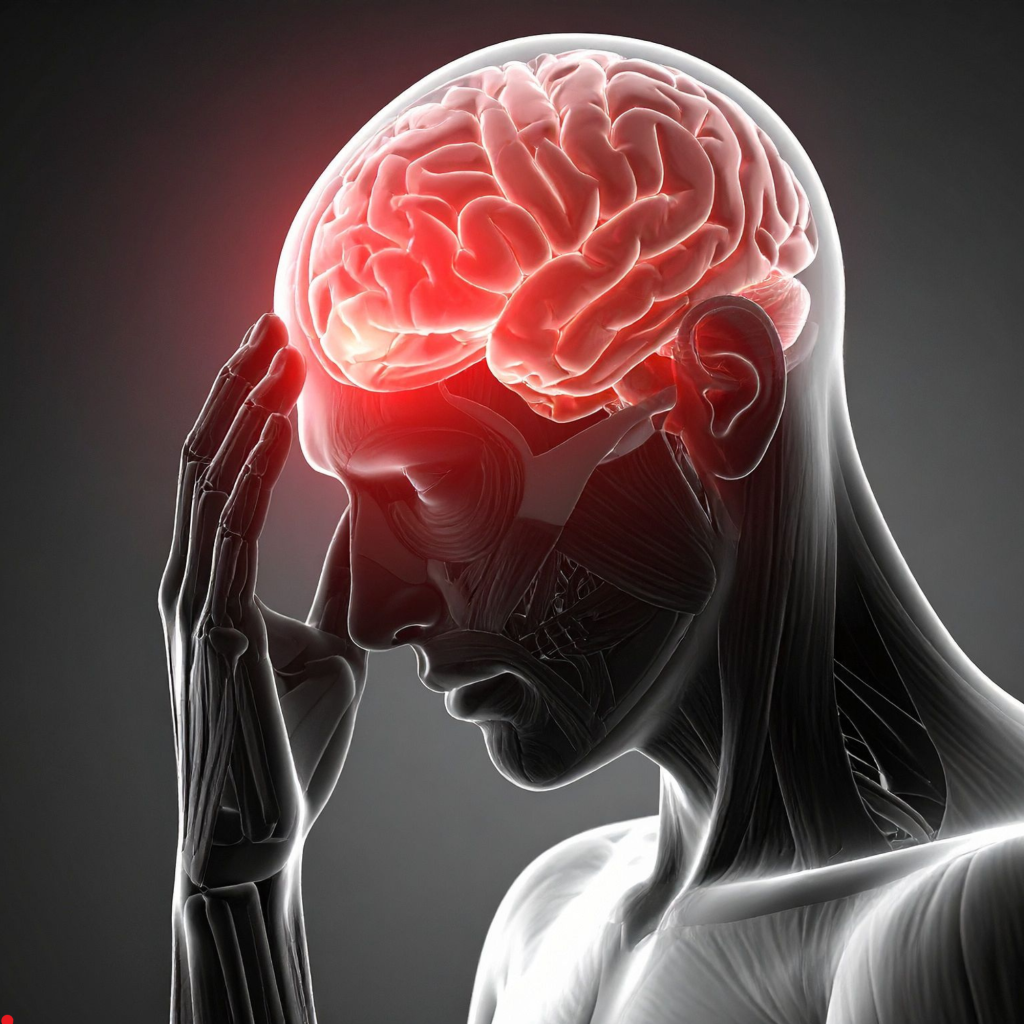
Chronic Headaches and Migraines
Read More
Common triggers include stress, poor posture, prior injury, sinus inflammation, hormonal imbalance, and nerve irritation.
Rather than relying solely on medications to manage symptoms, osteopathic care focuses on addressing the underlying causes that may be driving headache frequency and intensity.
Through precise osteopathic manipulation, we work to relieve muscular tension, improve circulation, and restore proper movement in the cervical spine and surrounding structures.
This approach can help reduce strain on sensitive nerves and decrease the mechanical stress that often contributes to headache patterns.
For certain patients, additional treatments such as craniosacral techniques, targeted nerve blocks, or regenerative therapies may be appropriate.
In cases of cyclic migraines associated with hormonal fluctuations, further evaluation may help identify imbalances that can be corrected to reduce recurrence.
By combining hands-on treatment with a comprehensive medical assessment, osteopathic care offers a natural and effective option for patients seeking long-term relief from chronic headaches and migraines.
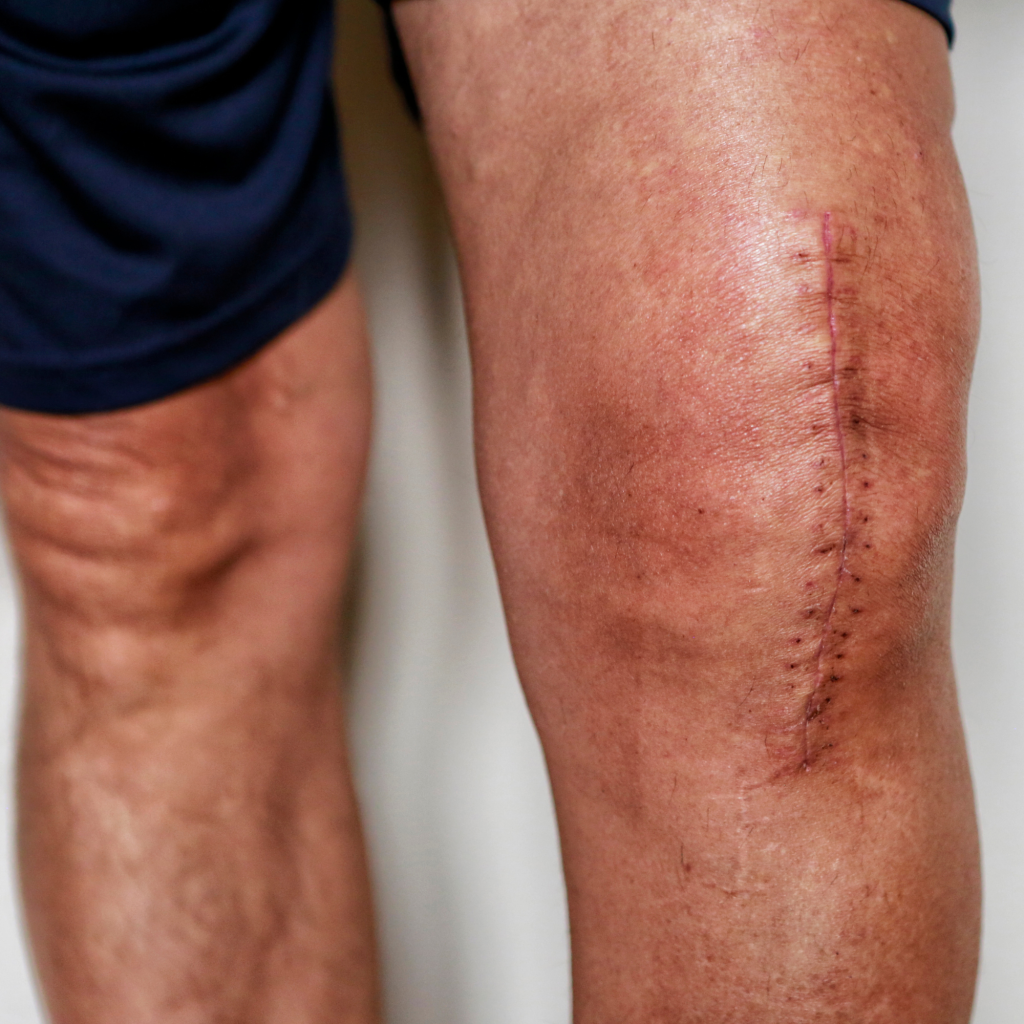
Post-Surgical Pain
Read More
The most common causes of neck and back pain include muscle strain, ligament injury, joint restriction, and misalignment of the spine or pelvis.
These issues can be made worse by poor posture, repetitive movements, prior injuries, or structural imbalance.
Many patients never receive a complete musculoskeletal or neurologic evaluation, and imaging alone often fails to explain why pain persists or where it originates.
Osteopathic physicians are trained to perform detailed hands-on examinations that assess movement, alignment, tissue quality, and nerve function.
In many cases, pain can be significantly reduced or resolved through precise osteopathic manipulation and targeted treatment techniques.
These findings can also help determine whether more invasive interventions are necessary or if conservative care is the better option.
In certain situations, such as severe trauma, fractures, disc herniation with neurologic compromise, or spinal cord involvement, surgical intervention may be required.
Symptoms such as progressive weakness, loss of sensation, or bowel or bladder dysfunction require immediate medical evaluation.
When surgery is appropriate, we work collaboratively with specialists to ensure coordinated care.
For patients who have undergone prior spine surgery, ongoing pain may still occur due to muscle spasm, scar tissue, ligament strain, or instability above or below a fusion.
Osteopathic care can be an effective complement in these cases by addressing residual musculoskeletal dysfunction, improving mobility, and reducing compensatory strain on surrounding structures.
Osteopathic manipulation offers a valuable option for patients seeking relief from chronic or recurring neck and back pain.
By restoring balance, improving movement, and supporting the body’s natural healing mechanisms, this approach helps many patients return to daily activities with less pain and improved function.
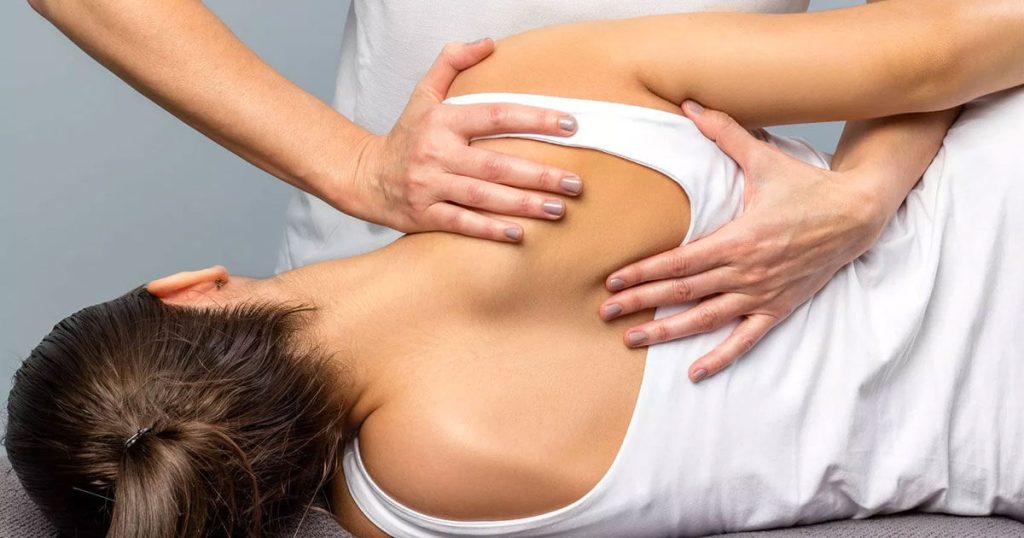
Acute Injuries
Read More
Osteopathic evaluation focuses on restoring proper movement and alignment while protecting injured tissues during the healing process.
By addressing restrictions in surrounding structures, we help reduce strain on the injured area and support the body’s natural recovery mechanisms.
Maintaining balance between injured and non-injured tissues is essential.
Compensation patterns that develop during recovery can place stress on other areas of the body and delay healing if left unaddressed.
Osteopathic manipulation helps promote symmetry, improve circulation, and optimize tissue function during each phase of recovery.
When appropriate, regenerative therapies such as platelet rich plasma injections and biologic peptides may be used to support tissue repair.
These treatments are designed to enhance blood flow, reduce inflammation, and encourage the body’s immune and healing responses at the site of injury.
By combining hands-on osteopathic care with targeted regenerative support, we aim to help patients recover more efficiently and return to daily activities with improved strength and mobility.
Autoimmune and Rheumatologic Conditions
Read More
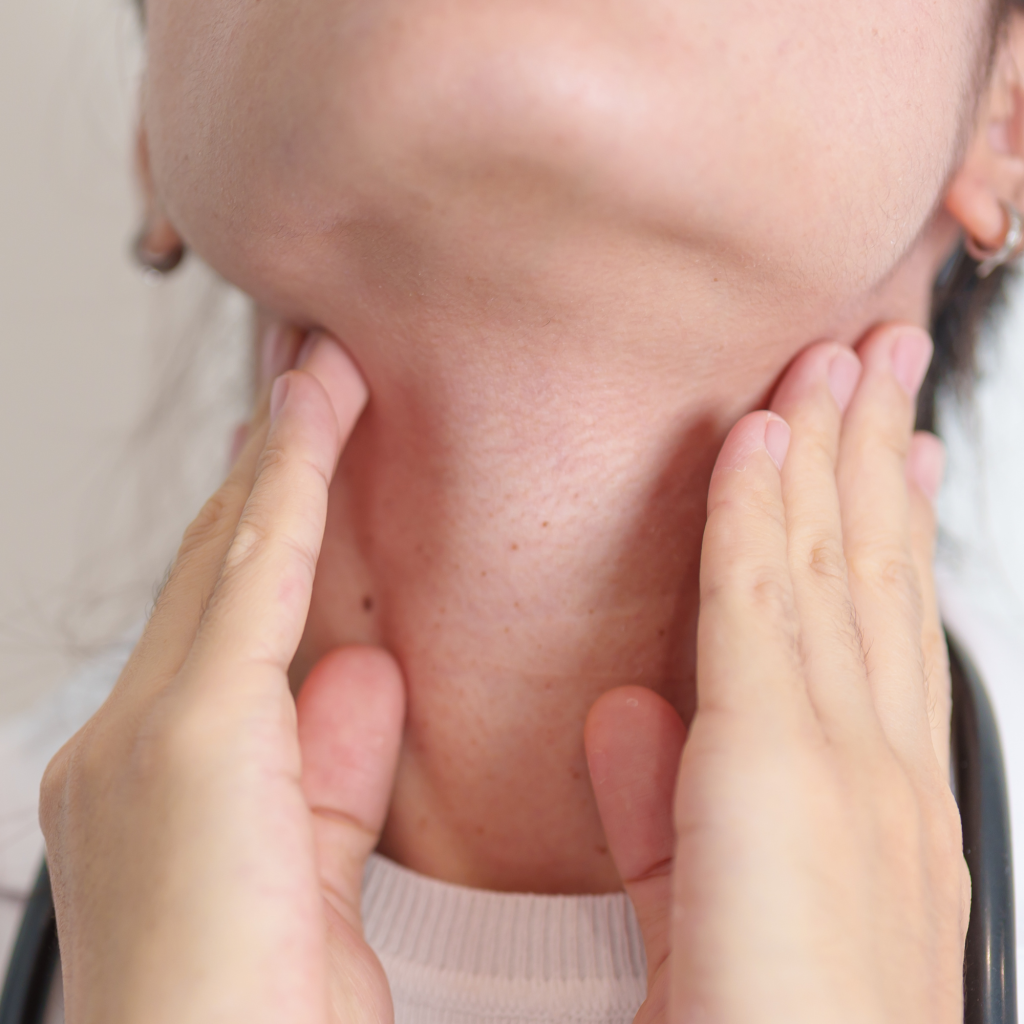
Osteopathic care focuses on optimizing the body’s internal environment to better regulate immune function and reduce unnecessary inflammatory responses.
By improving circulation, lymphatic drainage, and musculoskeletal balance, osteopathic treatment helps support the body’s ability to heal and adapt.
Many patients with inflammatory arthritis, connective tissue disorders, and autoimmune conditions experience pain that is worsened by restricted movement, muscle tension, and poor lymphatic flow.
Hands-on osteopathic techniques can help relieve mechanical strain, improve joint function, and enhance the removal of inflammatory byproducts from affected tissues.
When appropriate, supportive therapies such as nutritional optimization, sleep support, and biologic peptides may be incorporated to further assist immune regulation and tissue recovery.
This integrative approach allows treatment to address both symptoms and contributing factors rather than relying solely on medication.
For patients managing autoimmune or rheumatologic disease, osteopathic care can serve as a valuable complement to conventional treatment.
By improving mobility, reducing inflammation, and supporting overall function, this approach helps many patients experience improved comfort and quality of life.
Pregnancy and Postpartum Care
Read More
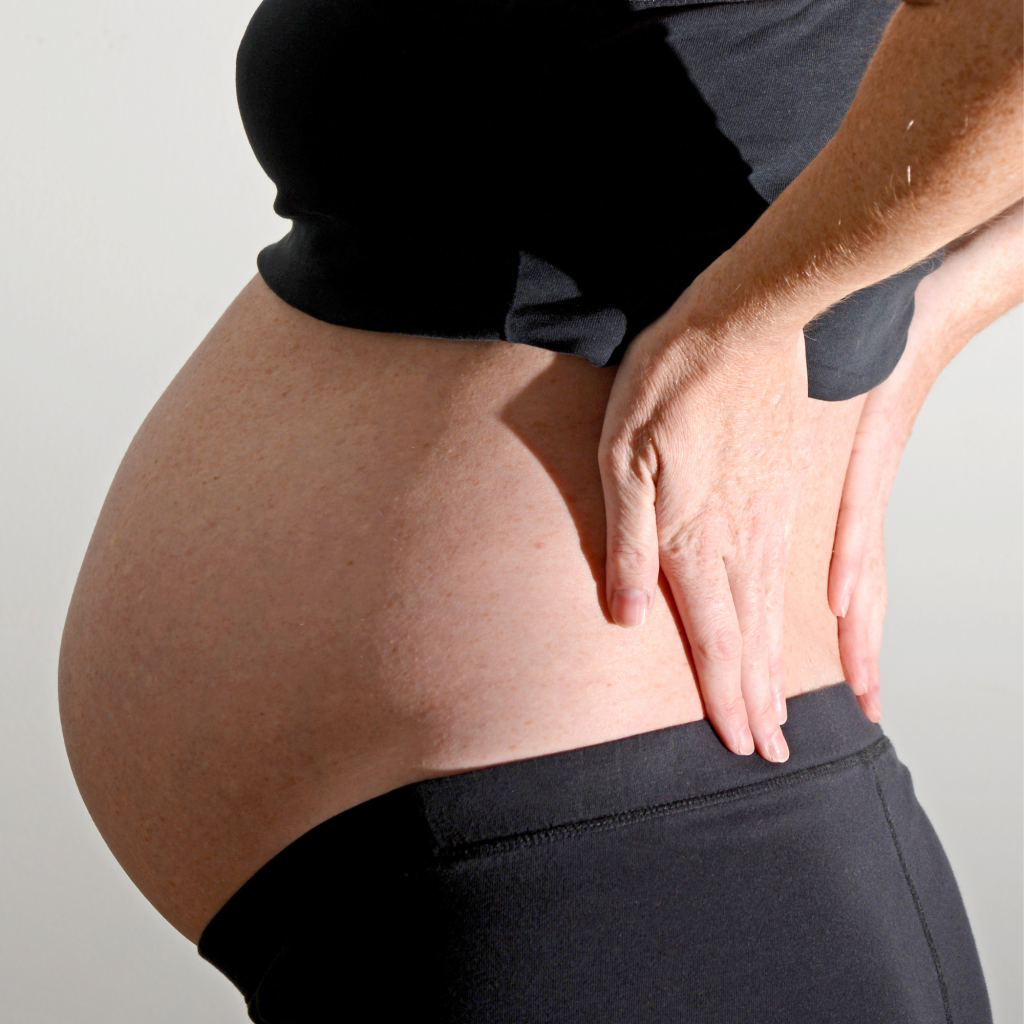
Osteopathic care during pregnancy focuses on relieving musculoskeletal strain, improving circulation, and supporting proper alignment as the body changes.
Gentle, pregnancy-safe techniques are used to reduce tension, improve mobility, and promote comfort throughout each stage of pregnancy.
This approach can help many patients feel more balanced and physically supported as their body adapts.
Following childbirth, the body continues to undergo significant physical and hormonal transitions.
Patients may experience pelvic instability, abdominal strain, scar tissue, or lingering pain after vaginal delivery or cesarean section.
Osteopathic evaluation can help identify areas of restriction or imbalance that may be contributing to postpartum discomfort.
Through hands-on treatment, osteopathic care supports recovery by improving tissue mobility, addressing pelvic and spinal alignment, and reducing compensatory strain patterns.
Care is always tailored to the individual and coordinated with other healthcare providers when appropriate to ensure safety for both mother and baby.
By supporting the body’s natural healing processes, osteopathic care offers a gentle and effective option for pregnant and postpartum patients seeking relief, improved mobility, and overall well-being.
Newborns and Infants
Read More
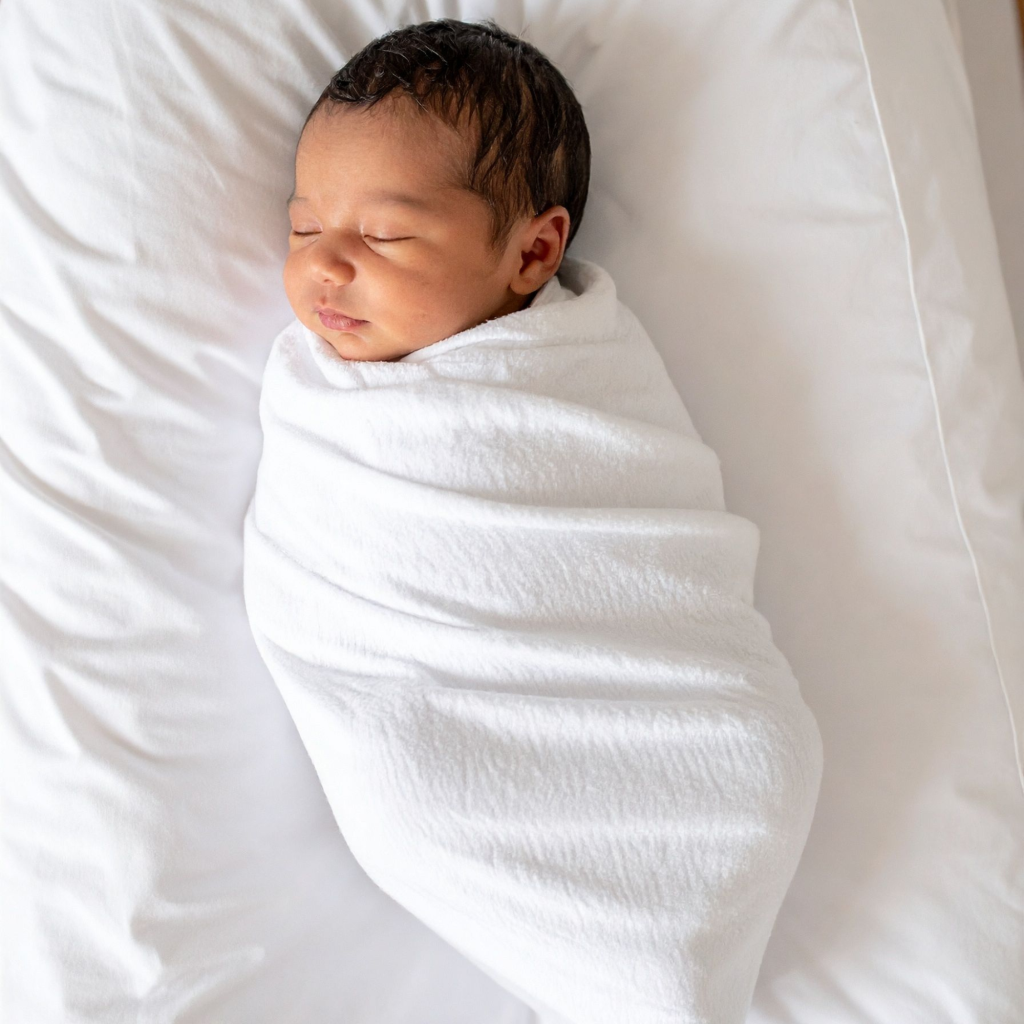
Osteopathic evaluation in newborns focuses on gentle assessment of movement, alignment, and tissue tension.
Using extremely light, age-appropriate techniques, osteopathic care aims to relieve restrictions and support normal development without force or discomfort.
By improving mobility and reducing strain within the musculoskeletal system, osteopathic treatment may help support digestion, feeding mechanics, sleep patterns, and overall comfort.
Early evaluation can be especially beneficial in addressing minor dysfunctions before they contribute to more persistent patterns as a child grows.
Osteopathic care for infants is always individualized and performed with great care, with safety and comfort as the highest priorities.
When used appropriately, this approach offers a gentle option for parents seeking supportive care during the earliest stages of development.
Schedule Your Personalized Consultation
New patients welcome • Most visits by appointment
Techniques Used at Our Facility
Biodynamic and Cranial Osteopathy
Biodynamic and cranial osteopathy focus on supporting the body’s innate ability to heal by working with subtle rhythms and tissue motion. These gentle techniques are commonly used to address cranial strain patterns, headaches, TMJ dysfunction, postural imbalance, and nervous system stress. Cranial osteopathy is especially helpful for patients seeking a low-force, calming approach to care.
HVLA Articulatory Technique
High Velocity Low Amplitude techniques are used to restore motion in joints that have become restricted due to injury or repetitive strain. This approach applies a precise, controlled movement to improve joint mechanics and reduce stiffness. Patients may notice an audible release, often described as a pop or crack, which is a normal response to joint decompression.
Musculoskeletal
Injections
Musculoskeletal injections, including regenerative and anti-inflammatory options, may be used to support healing and reduce pain in targeted areas. These injections can be helpful for joint pain, ligament strain, tendon irritation, and other localized musculoskeletal conditions. They are often used alongside osteopathic manipulation to optimize outcomes.
Counterstrain
Counterstrain is a gentle, indirect technique that helps relieve muscle tension by placing the body in positions of comfort. This approach reduces protective muscle guarding and supports relaxation of the nervous system. It is commonly used for acute pain, chronic muscle tightness, and sensitive areas.
Muscle Energy
Muscle energy techniques use active patient participation to improve joint mobility and muscle balance. By gently engaging specific muscles against resistance, this method helps restore motion, improve flexibility, and reduce tension in restricted areas.
Myofascial Release
Myofascial release addresses restrictions within the connective tissue that surrounds muscles and organs. Through sustained pressure and guided movement, this technique helps improve circulation, reduce pain, and restore normal tissue mobility.
Balanced Ligamentous Tension and Facilitated Positional Release
These techniques focus on normalizing tension within ligaments and surrounding soft tissues to support joint stability and comfort. By placing tissues in positions that reduce strain, the body is encouraged to reset and heal naturally. These approaches are particularly helpful for joint dysfunction, postural imbalance, and injury recovery.
Schedule Your Personalized Consultation
New patients welcome • Most visits by appointment




Common Conditions We Treat
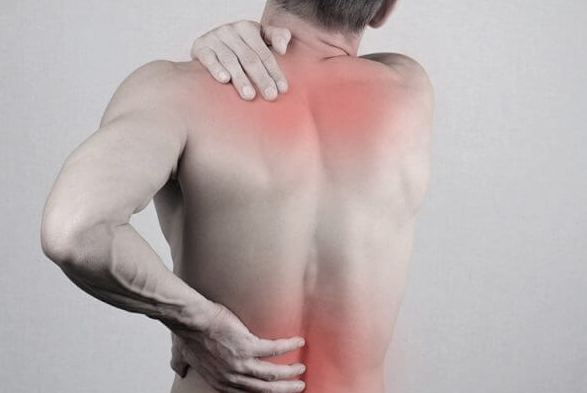
- Neck and back pain
- Shoulder pain
- Hip, knee, and foot pain
- Headaches and migraines
- Pelvic pain and incontinence
- Pregnancy-related pain
- Post-operative pain
- Post-stroke pain and weakness
- Facial paralysis
- Chronic respiratory issues
Complex and Chronic Health Concerns
Autoimmune conditions
Hormone imbalance
Chronic fatigue and low energy
Complex medical cases
Wellness & Specialized Care Programs
Medical weight loss
Body sculpting
Facial rejuvenation
Newborn and infant care

Relief That Restores Function
Neuromuscular pain and movement restrictions can impact every part of daily life.
Our osteopathic and neuromuscular services are designed to address the underlying causes of pain, restore mobility, and support long-term healing.
Take the next step toward improved comfort, movement, and quality of life with personalized, hands-on care.